
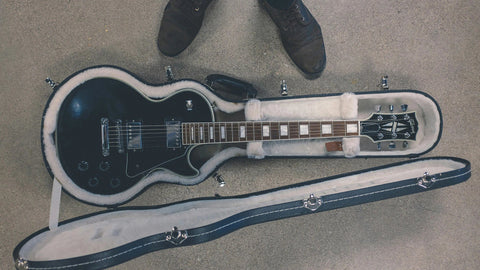
Do the Extras Really Add Value to a Vintage Guitar?
When you find the right vintage guitar, it is rarely just the instrument that tells the story, it is the case, the paperwork, the hang tags, the spare parts and the little details that have survived with it over the years.
For anyone searching for a rare Fender, Gibson, Martin or other collectible instrument, whether you are looking for a specific year, finish, component or original specification, these details can make a meaningful difference to authenticity, provenance and resale value. If you are based in Sydney, you may want to visit our showroom and experience the collection in person; if you are interstate or overseas, we can help you buy with confidence and arrange secure shipping where appropriate. At Premier Guitars, we work with musicians and collectors who want clarity, honesty and a carefully curated selection of vintage and high-end instruments.
In this guide, we will look at what original cases, paperwork and accessories really mean in the vintage market, when they add value, when they matter less, and how they can influence desirability, price and long-term collectability. We will also explain the practical differences between a guitar that is fully original, one with partial provenance, and one that has been modified or separated from its original extras.
This topic matters because the right information can help you make a smarter purchase, avoid overpaying and choose an instrument that suits both your playing needs and your collecting goals. If you are exploring the wider world of rare instruments, our Vintage Guitar Shop Sydney page is a great place to start. And if you would like tailored advice on a particular guitar, model or year, please contact us we are always happy to help you find the right piece.
Do Original Cases, Paperwork and Accessories Matter When Buying a Vintage Guitar?
When you’re shopping for a vintage guitar, it is really about how much the “extras” add to the instrument’s value, authenticity and appeal. In simple terms, an original case, warranty card, sales receipt, hang tags, manuals or period-correct accessories can help tell the guitar’s full story. They’re a bit like the original box and service history for a classic car: the instrument may still be excellent without them, but the complete package often feels more desirable to collectors and serious players alike.
A correct case can support provenance and protect the guitar properly, while paperwork can help confirm model details, production year and ownership history. Accessories might include the tremolo arm, bridge cover, strap, polish cloth or other factory-issued items. A complete set can make a guitar easier to sell, more attractive to collectors and, in some cases, more valuable. That said, a missing case or paperwork does not automatically make a guitar less worthy, condition, originality of the instrument itself, and how it plays still matter enormously.
For buyers browsing a Vintage Guitar Shop Sydney, understanding how original cases, paperwork and accessories affect a vintage instrument’s value and collectability is important. At Premier Guitars, we look at the whole picture: brand, model, year, colour, component originality, condition and the presence of any original extras. Understanding How Guitar Replacements and Repairs Affect Vintage Value is equally important, as modifications and replacement parts can influence a guitar’s originality, desirability and market value. A 1960s Fender, Gibson or Martin with its correct case and paperwork may attract more collector interest than the same guitar without them, but the right example is always the one that suits your needs, taste and budget. In other words, the extras can be the icing on the cake, but the cake still has to be excellent.
One common misconception is that original cases, paperwork and accessories are only important to collectors. In reality, they can matter to players too, especially if you want a guitar with documented history or a more complete resale story down the line. At Premier Guitars, we help you judge whether those details genuinely add value or are simply nice-to-have additions. That balance is part of what makes buying from a trusted specialist worthwhile: you get a carefully curated instrument, honest appraisal and the confidence that you’re making an informed decision, whether you visit our Sydney showroom or arrange a purchase from further afield.
Terms to Know When Buying a Vintage Guitar

Understanding these basics will help you make a more confident decision, whether you’re shopping in our northern Sydney showroom or buying from further afield.
Original case
The guitar’s factory-issued case, supplied when the instrument was first sold. It is often branded or period-correct and may show the wear expected from age and use, rather than looking brand new.
Provenance
The documented history of an instrument, showing where it has been, who has owned it and any notable details about its life. This may include receipts, service records, photographs or previous sales listings.
Original paperwork
The documents that came with the guitar when it was first sold, such as warranty cards, manuals, receipts, tags or certificates. These items are usually period-specific and can be surprisingly important to collectors.
Original accessories
The extra items that were supplied with the guitar at the time of purchase, such as the tremolo arm, strap, hang tags, polishing cloth or adjustment tools. These should ideally match the era and model of the instrument.
All-original condition
A guitar that retains its original major components, such as pickups, tuners, finish and hardware, with no significant changes or replacements. This does not always mean untouched, but it does indicate a high level of originality.
Case candy
A collector’s term for the small original items that were kept inside the case, such as tags, manuals, cloths, leads or adjustment tools. These pieces are often easy to lose, which makes surviving examples more noteworthy.
Replacement parts
Any components that have been changed from the guitar’s original specification, such as a replaced bridge, refret, non-original tuners or swapped electronics. Some replacements are routine, while others can affect collectability more significantly.
Once you understand these terms, it becomes much easier to judge whether a vintage guitar is complete, authentic and fairly priced. That knowledge helps you buy with confidence, and, just as importantly, choose the right instrument for your collection or playing needs.
FAQs: What Really Matters With Vintage Guitar Extras?
If you’re wondering whether the case, paperwork or accessories should sway your decision, you’re not alone. Here are the questions we hear most often from buyers, along with practical answers to help you assess a vintage guitar with confidence.
Do original cases really add value to a vintage guitar?
Yes, an original case can add both value and appeal, especially for collectors who want the guitar presented as close to its original condition as possible. It can also be a useful sign that the instrument has been looked after carefully over the years. That said, a great guitar without its original case can still be a very strong buy if the instrument itself is exceptional.
How important is original paperwork when buying a vintage guitar?
Original paperwork can be very helpful because it may support the guitar’s provenance, originality and ownership history. Things like old receipts, warranty cards, hang tags or service records can make a listing more credible and easier to verify. However, paperwork should support the guitar, not replace a proper inspection of the instrument itself.
Are original accessories worth paying extra for?
Sometimes, yes, especially if the accessories are period-correct and complete the guitar’s story. Original straps, tremolo arms, manuals or tags can make a vintage piece more desirable to collectors, particularly when they are rare or hard to find. For players, though, the guitar’s feel, condition and sound usually matter more than the extras in the case.
Can missing case candy lower the price of a vintage guitar?
It can, depending on the model and the market. Collectors often place a premium on complete packages, so missing items may reduce the price slightly or make the guitar less attractive to some buyers. In many cases, though, the effect is modest compared with the impact of originality, condition and any repairs or modifications.
How can I tell if the case and paperwork are genuinely original?
Start by checking whether the case style, logos, materials and hardware match the guitar’s era and brand. With paperwork, look for period-correct fonts, dates, dealer stamps and details that line up with the instrument’s serial number or known production features. If you are unsure, we recommend getting an experienced eye on it at Premier Guitars, we regularly help buyers assess whether these items are authentic, later additions or simply replacements.
Do Original Cases, Paperwork and Accessories Matter When Buying a Vintage Guitar?
They do matter, but usually as part of the bigger picture rather than the main deciding factor. A superb vintage guitar with strong originality, honest wear and no major issues will typically be more important than a complete set of extras. If the case, paperwork and accessories are original, they can enhance confidence, provenance and resale appeal, but the instrument itself should always be the priority.
In short, the right case, paperwork and accessories can strengthen a vintage guitar purchase, but they should never distract from the quality of the instrument itself. If you’d like a second opinion on a particular guitar, we’re always happy to help you weigh up the details properly.
Making the Right Call on Vintage Guitar Extras
Original items can add value, strengthen provenance, and make a guitar more appealing to collectors, yet they should never outweigh the instrument itself. Condition, originality, playability, and authenticity remain the main priorities, while cases, receipts, manuals, straps, and tags are best viewed as valuable supporting details rather than the whole story.
Understanding this helps you buy with confidence and avoid overpaying for presentation alone. If you are weighing up two similar instruments, the one with original case candy and paperwork may well be the better long-term choice, especially if you care about resale value and historical completeness. But if the guitar itself is exceptional, a missing case or a few absent accessories should not necessarily put you off. The real skill is knowing how much those extras genuinely matter in each individual sale.
That is where expert guidance makes all the difference. At Premier Guitars, we help buyers and sellers navigate the details that shape a vintage guitar’s value, from provenance to presentation. As part of the wider Vintage Guitar Shop Sydney experience, we are here to make sure you can assess each instrument clearly and make an informed decision.
If you would like help evaluating a vintage guitar, or you are unsure how much original paperwork and accessories should influence your purchase, contact us today. We are always happy to share honest advice and help you find the right instrument with confidence.