
Why Gibson’s Greatest Stories Go Far Beyond the Les Paul Standard
When most players think of vintage Gibson, the Les Paul Standard is often the first name that springs to mind but that’s only part of the story. If you’ve ever found yourself searching for a specific year, finish, pickup configuration, or an uncommon model in original condition, you already know that the real excitement often lies beyond the obvious.
For collectors, players, and enthusiasts looking for rare vintage guitars and gear, this topic matters because the right Gibson can be a deeply personal find, whether you’re browsing from Sydney or searching for an instrument to be shipped to your location elsewhere in Australia or overseas. At Premier Guitars, we understand that buyers are often looking for more than just a brand name; you may be chasing a particular model, colour, neck profile, or period-correct detail that makes all the difference.
In this post, we’ll look at the Gibson models that deserve more attention, why they stand out, and what makes them so compelling for players and collectors alike. We’ll also touch on the features that matter most when assessing vintage pieces, originality, condition, era, and desirability, so you can approach your search with more confidence and clarity.
Visit our Vintage Guitar Shop Sydney page to explore Premier Guitars’ carefully curated selection of rare and collectible instruments. You can experience your preferred guitar in person at our northern Sydney showroom or enquire about secure shipping if you are located further afield. If you’d like help finding the right Gibson or want more detail on a specific piece, contact us, we’re always happy to help you track down the instrument that truly fits your needs.
Discovering Overlooked Vintage Gibson Models for Collectors
While the Les Paul Standard often gets the spotlight, there are plenty of other collectible Gibson instruments worth considering, including SGs, ES models, Firebirds, Melody Makers and Junior variants, each offering its own feel, tone and visual character. Knowing How to Assess the Value of a Rare Guitar can help buyers compare these models by considering factors such as originality, condition, rarity and collector demand. Think of it like exploring the rest of a celebrated vineyard: the flagship bottle may be well known, but neighbouring vintages can be just as rewarding and sometimes even rarer.
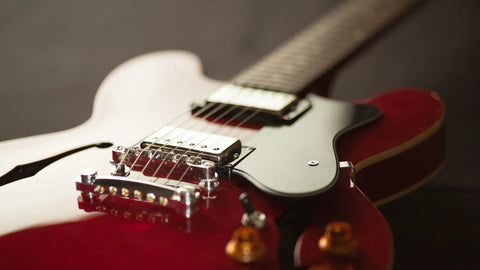
A 1960s SG Standard with its slim neck and bright attack, or a cherry-red ES-335 with semi-hollow warmth, offers something quite different from a Les Paul Standard. Collectors and players often look closely at original pickups, finish condition, hardware, neck profile, weight and any modifications, because these details can have a major impact on both value and playability. In vintage Gibson terms, originality and provenance matter just as much as the model name itself.
For anyone browsing Vintage Guitar Shop, this topic is especially relevant because it reflects the broader world of rare, high-end instruments we curate at Premier Guitars Many buyers arrive searching for a specific year, colour, neck shape or pickup configuration, and vintage Gibson models beyond the Les Paul Standard often deliver exactly that kind of precision. Whether you are in Sydney and want to experience a guitar in person, or you are shopping from interstate or overseas, we help match you with the right instrument and the right story behind it.
One common misconception is that “vintage Gibson” automatically means “Les Paul.” In reality, Gibson’s catalogue has long included instruments with very different personalities: some are lighter, some are more resonant, and some offer a distinctive voice that suits blues, rock, jazz or indie playing beautifully. At Premier Guitars, we value that diversity. By helping musicians and collectors find exceptional examples in honest condition, we make it easier for you to discover a vintage Gibson that feels less like a generic collectible and more like your guitar.
Terms to Know When Exploring Vintage Gibson Guitars

If you’re looking beyond the Les Paul Standard, a few specialist terms will help you compare vintage Gibson models with confidence. Understanding what to look for makes it easier to judge originality, playability, and long-term value, whether you’re browsing our Sydney showroom or searching for the right instrument from further afield.
Originality
Originality refers to how much of the guitar remains as it left the factory, including the finish, hardware, pickups, and electronics. On vintage Gibsons, original parts and finishes can make a significant difference to both collectability and price.
Refinish
A refinish is when a guitar’s original finish has been stripped and replaced with a new one. This may improve appearance, but it usually reduces collector value compared with an untouched example. When you’re considering vintage Gibson models beyond the Les Paul Standard, a refinish can affect desirability, especially if you’re after a rare sunburst, cherry, or goldtop example. It’s a term worth understanding if you want to balance visual appeal with investment potential.
PAF Pickups
PAF stands for “Patent Applied For” and refers to Gibson’s early humbucking pickups from the late 1950s and early 1960s. These pickups are prized for their warm, articulate tone and are a major reason certain vintage Gibsons are so sought after.
Neck Profile
Neck profile describes the shape and thickness of the guitar neck, such as slim taper, medium, or chunky. It affects how the instrument feels in your hands and can make a big difference to comfort and playability. For vintage Gibson buyers, neck profile is especially relevant because models and years can vary considerably. If you’re visiting our showroom, we always encourage you to feel the difference for yourself, as the right neck can be just as important as the right model.
Headstock Repair
A headstock repair is a fix made to a broken or cracked headstock, which is one of the more common structural issues on vintage Gibsons. A well-executed repair can make the guitar stable and usable again, but it will usually affect resale value. This matters when exploring vintage Gibson models beyond the Les Paul Standard because condition plays a major role in pricing and collectability. If a guitar has had a repair, it’s important to understand how it was done and whether it suits your goals as a player or collector.
Mahogany Body
Mahogany is a tonewood commonly used in Gibson bodies and necks, known for its warmth, sustain, and balanced midrange response. It is one of the materials that helps define the classic Gibson sound.
Collector Grade
Collector grade describes an instrument that is highly desirable to collectors because of its originality, condition, rarity, and historical importance. These guitars are often excellent examples of a particular era or model. For vintage Gibson enthusiasts, collector grade instruments often command premium prices and may be harder to find. Understanding this term helps you recognise why one guitar may be priced very differently from another, even within the same model family.
Once you understand these terms, it becomes much easier to compare vintage Gibsons on more than just appearance alone. That means you can make a more informed choice, whether you’re after a player’s guitar, a collector’s piece, or a rare find worth travelling for.
FAQs on Vintage Gibson Guitars Beyond the Les Paul Standard
These FAQs cover the questions we hear most often from players and collectors. Whether you’re chasing a specific tone, a rarer model, or a guitar with long-term appeal, we’re here to help you make a confident choice.
Which vintage Gibson models are worth considering besides the Les Paul Standard?
There are several standout models worth your attention, including the ES-335, SG Standard, Flying V, Firebird, and vintage J-45 acoustics. Each offers a distinct voice and feel, from the semi-hollow warmth of the ES-335 to the punchy, lightweight character of an SG.
Are vintage Gibson guitars a better investment than modern reissues?
It depends on what matters most to you: originality, playability, or long-term collectability. Vintage Gibson guitars often hold strong appeal because of their history, craftsmanship, and scarcity, but condition, originality, and market demand all play a major role in value. A well-chosen vintage instrument can be both a rewarding player’s guitar and a sound collectible, especially when purchased with proper appraisal and guidance.
How can I tell if a vintage Gibson is authentic?
Authenticity comes down to the details: serial numbers, headstock shape, logo style, pickup and hardware specifications, finish wear, and construction features that match the year and model. Small changes over time can make identification tricky, so it’s wise to compare the instrument against known specifications and provenance where possible. At Premier Guitars, we always recommend a careful inspection before you buy, particularly with higher-value pieces.
What should I look for when buying a vintage Gibson for playing rather than collecting?
If you want a guitar you’ll actually use, focus on neck comfort, fret condition, weight, setup stability, and whether any repairs have affected the instrument’s feel or tone. A player-grade vintage Gibson with honest wear can be a fantastic choice if it sounds great and suits your hands. In many cases, a well-maintained example offers the best balance between character, usability, and value.
Do older Gibson models really sound different from newer ones?
Often, yes, though the difference is not always dramatic, and it depends on the specific guitar. Older Gibsons can have a more open, resonant response, especially when the wood has aged naturally and the instrument has been well cared for. That said, some modern guitars are superb, so the best approach is to compare them side by side and trust your ears and hands.
How does Premier Guitars help buyers and sellers of vintage Gibson instruments?
We offer a personal, knowledgeable service that helps match the right instrument with the right person. For buyers, that means a carefully curated showroom in northern Sydney, honest guidance, and the chance to inspect instruments properly before committing. For sellers, we provide fair appraisals, secure storage, and a professional sales process that reaches serious buyers across Australia and worldwide.
Exploring vintage Gibson guitars is about more than chasing a famous name, it’s about finding the right combination of sound, feel, history, and value. If you’re considering Beyond the Les Paul Standard: Vintage Gibson Models Worth Exploring, we’re here to help you navigate the options with confidence.
A Final Word on Exploring Vintage Gibson Beyond the Les Paul
From the SG and ES series to the Firebird, Flying V and other standout Gibson classics, this guide has shown that there is far more to discover than the Les Paul Standard alone. Each model brings its own voice, feel and place in guitar history, giving you the chance to find an instrument that suits your playing style as well as your appreciation for vintage craftsmanship. That is what makes Beyond the Les Paul Standard: Vintage Gibson Models Worth Exploring such a valuable topic for players and collectors alike.
If you are trying to decide which vintage Gibson deserves your attention, the details covered here can help narrow the field and make the search feel far less overwhelming. Whether you are chasing tone, rarity, investment potential or simply a guitar with character, understanding these models gives you a stronger starting point.
At Premier Guitars, we take pride in helping you explore that journey with confidence. Visit our Vintage Guitar Shop Sydney page to explore our selection of vintage, custom and high-end guitars.
If you would like help finding, buying or selling a vintage Gibson, we invite you to get in touch through our contact page. With the right knowledge and the right support, your next great guitar could be closer than you think.