
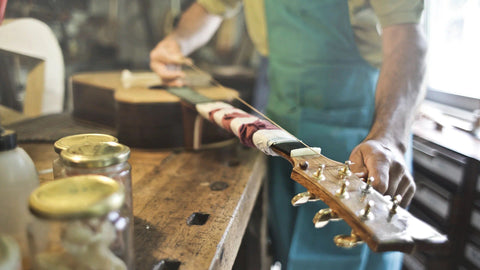
When a Vintage Guitar’s History Meets Its Value
A vintage guitar can look every bit the part on the wall, but one replaced pickup, refretted neck or repaired crack can change its story, and its price, in an instant. Whether you are hunting for a 1950s Fender, a pre-CBS Strat, a Gibson Les Paul, or a particular finish, component or year, knowing what has been altered helps you buy with confidence.
In this guide, we break down how originality, restoration and modification influence vintage guitar value, what repairs are considered acceptable, and which changes can significantly affect desirability. For buyers in Sydney, that knowledge is especially useful when visiting a curated showroom and comparing instruments side by side; for interstate and overseas buyers, it helps you assess listings more accurately before arranging shipping. If you are searching for a specific brand, model, colour, era or component, understanding these details can make all the difference between a smart purchase and an expensive compromise.
At Premier Guitars , we work with musicians and collectors who value honesty, character and condition as much as tone. We know that vintage instruments are rarely perfect, and that not every repair is a deal-breaker, but some changes do matter more than others. That is the focus of this article: what affects value, what to look for, and how to judge whether a guitar is original, sympathetically restored or heavily modified.
Visit our Vintage Guitar Shop Sydney page to explore Premier Guitars’ carefully selected vintage instruments, appraised with transparency and care to help you make informed purchasing decisions. If you want help identifying a replacement part, understanding a repair, or deciding whether a vintage guitar is worth pursuing, contact Premier Guitars and we will be happy to assist.
Original vs Modified: Understanding Vintage Guitar Value
“Modified” means one or more elements have been replaced, repaired, refinished, or upgraded. Think of it like a classic car: a careful restoration may keep it roadworthy, but the more non-original parts it has, the further it moves from untouched collector status
When assessing a vintage guitar’s value, the main components to examine are the neck, body, pickups, tuners, bridge, electronics, finish, and even smaller details like screws and pots. A guitar with original pickups, untouched solder joints, and its factory finish will generally command a stronger vintage premium than one with later replacements. Buyers should also consider Do Original Cases, Paperwork and Accessories Matter when evaluating collectability, as these extras can add to a guitar’s appeal and help support its provenance. That said, not every repair is a deal-breaker.
This matters directly to anyone buying or selling through a Vintage Guitar Shop Sydney search or showroom experience, because condition and originality shape both interest and price. A 1960s Fender, a pre-CBS Gibson, or a rare Gretsch in original sunburst finish may attract collectors looking for authenticity, while a heavily modified example may appeal more to players who want a great-sounding instrument at a lower entry point. In other words, originality often drives collectability, but modification can sometimes improve usability.
At Premier Guitars, we help you understand that balance with honest appraisals and careful attention to detail. We look beyond the headline brand and year to assess the real story: what has been changed, what remains original, and how those choices affect market value. Whether you’re searching for a near-mint vintage piece, a well-loved player-grade instrument, or a specific model in a particular colour or condition, we make the distinction clear so you can buy or sell with confidence.
Terms to Know When Assessing Vintage Guitar Originality

When you are weighing up Original or Modified? How Guitar Replacements and Repairs Affect Vintage Value, a few core terms can make all the difference. Knowing what to look for helps you judge a guitar’s history, condition and collectability with far more confidence.
Original parts
Parts that were fitted to the guitar when it left the factory, such as pickups, tuners, bridges, pickguards and pots. These components are often the first thing collectors look for when assessing authenticity and vintage value, especially on sought-after Fender, Gibson and other classic models.
Replacement parts
Any component that has been swapped out for a different one at some point in the guitar’s life. A quality replacement may keep the instrument highly playable, but it can reduce collector appeal if it is no longer fully original.
Refinish
A guitar that has been stripped and given a new coat of paint or lacquer, either to restore its appearance or repair damage. In vintage guitars, a refinish can significantly affect value because it alters one of the most visible parts of the instrument’s originality.
Repair work
Restoration or maintenance carried out to fix damage, wear or structural issues, such as a neck repair, fret replacement or crack repair. Good repair work can make a guitar more stable and enjoyable to play, but the type and quality of the repair will influence how collectors view it.
Provenance
The documented history of a guitar, including previous owners, repairs, modifications and any notable performance or collection history. Strong provenance can support confidence in a vintage piece and help explain why a particular instrument commands a premium.
All-original
A guitar that retains its factory-installed parts, finish and specifications, with no major changes. In the world of Original or Modified? How Guitar Replacements and Repairs Affect Vintage Value, all-original examples are often the most desirable to collectors and can attract the strongest prices.
Player-grade
A vintage guitar that has been modified, repaired or worn enough that it may no longer appeal to strict collectors, but remains a great instrument for regular use. These guitars often offer excellent value if you care more about tone, feel and reliability than untouched originality.
Understanding these terms gives you a clearer picture of what you are really buying, whether you are searching for a pristine collector’s piece or a well-loved vintage guitar with honest wear. At Premier Guitars, we use this kind of detail to help you make a confident, informed decision every time.
FAQs: Understanding Vintage Guitar Originality and Value
If you’re weighing up originality against practical repairs, these FAQs will help you make sense of how changes can influence a vintage guitar’s value. We’ve answered the questions we hear most often from buyers, sellers, collectors, and players looking for clear, honest guidance.
How much does a replacement part affect a vintage guitar’s value?
It depends on the part, the quality of the replacement, and whether the original component is still available. Small, reversible changes such as replaced tuners or a new nut may have a limited effect, while major changes like a replaced neck, pickups, or bridge can reduce value more noticeably. In the context of Original or Modified? How Guitar Replacements and Repairs Affect Vintage Value, originality usually carries a premium, especially for collectors.
Are professional repairs always bad for vintage value?
Not at all. A well-executed repair can preserve the playability and structural integrity of the instrument, which may be essential if you want to keep it in regular use. For example, a properly repaired headstock crack is generally far preferable to leaving the guitar unstable, but it will still usually be disclosed and factored into the price. The key is whether the work was necessary, sympathetic, and documented.
Does keeping the original part matter if it has been replaced?
Yes, keeping the original part can make a meaningful difference. Even if a component is no longer fitted to the guitar, having the original pickup, bridge, or tuners can help reassure buyers and soften the impact on value. We always recommend storing removed parts safely, along with any receipts or repair notes, so the instrument’s history remains as clear as possible.
Which modifications usually have the biggest impact on value?
Changes that alter the guitar’s core identity tend to have the greatest effect, such as refinishing, routing for extra pickups, replacing a neck, or changing a rare specification. Cosmetic wear is often accepted, but structural or irreversible alterations can move the instrument away from its original factory condition. For rare or highly collectible models, even seemingly minor changes can matter more than you might expect.
Can a vintage guitar still be desirable if it has been modified?
Absolutely. Many players prefer vintage guitars that have been sensibly modified for reliability, comfort, or performance, especially if the work was done cleanly and the guitar still sounds and feels outstanding. A modified instrument may appeal more to musicians than collectors, which means it can still sell well even if it does not command top collector pricing. At Premier Guitars, we often see strong interest in honest, well-maintained instruments with a clear story.
How should I disclose repairs or replacements when selling a vintage guitar?
Always be transparent and specific. List every known repair, replacement, and modification, including who carried out the work, when it was done, and whether original parts are included. Clear disclosure builds trust and helps buyers understand the guitar’s true condition, which is especially important when discussing Original or Modified? How Guitar Replacements and Repairs Affect Vintage Value.
How do you decide whether a vintage guitar is worth restoring or selling as-is?
We look at the guitar’s rarity, market demand, condition, and the likely cost of the work needed. In some cases, a light restoration can improve appeal without harming value too much; in others, a full rebuild may cost more than the value it adds. If you are unsure, we can help you assess whether the best route is preservation, repair, or selling the guitar in its current state.
Ultimately, the impact of repairs and replacements comes down to originality, quality, and transparency. If you’d like a professional opinion on your vintage guitar, we’re always happy to help you understand its condition and market value.
Making Sense of Vintage Value: Originality, Repairs and Smart Decisions
When it comes to Original or Modified? How Guitar Replacements and Repairs Affect Vintage Value, the biggest takeaway is that every change tells part of the instrument’s story. Some repairs are necessary and can help preserve a guitar’s playability and long-term health, while others may reduce collectable value if they replace rare, original parts. Understanding the difference between sympathetic maintenance and significant modification gives you a clearer view of what a vintage guitar is really worth.
For buyers, sellers and collectors, this knowledge removes a lot of the guesswork. You can assess an instrument more confidently, ask better questions, and recognise when originality matters most. That is especially important in the wider world of Vintage Guitar Shop in Sydney, where history, condition and provenance all play a role in value. The more informed you are, the better positioned you are to make a decision that suits both your musical needs and your investment goals.
At Premier Guitars, we understand that no two vintage instruments are the same. Our experience with rare, custom and high-end guitars means we can help you evaluate repairs, replacements and originality with honesty and care. Visit our Vintage Guitar Shop Sydney page to learn more about how Premier Guitars can help you understand the impact of modifications on a vintage guitar’s value, with practical advice to support your buying decisions.
If you would like expert help appraising a vintage guitar, or you simply want a second opinion before you buy or sell, please get in touch through our contact page. The right advice can make all the difference, and we are always happy to help you understand the true value of your instrument.