
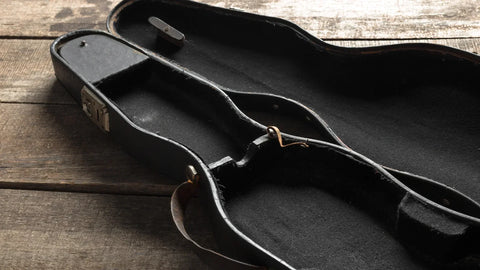
Why the Right Case Can Transform a Vintage Guitar Sale
A rare guitar without its original case can still be desirable, but the moment that correct, period-correct case appears, the conversation changes. For collectors, buyers and sellers alike, details such as the right logo, lining, latches and wear pattern can be the difference between an interesting instrument and a truly exceptional one. That is exactly why Original Guitar Cases Can Add Thousands to Vintage Instrument Values matters so much when you are buying, selling or appraising vintage gear.
At Premier Guitars , we see first-hand how provenance and completeness shape demand. Whether you are searching for a specific Fender, Gibson, Martin or Gretsch, or you are comparing a 1950s sunburst finish against a later refin, the case can be just as important as the instrument itself. For buyers in Sydney, that often means visiting our showroom to inspect rare and collectible guitars in person; for customers elsewhere in Australia or overseas, it may mean arranging secure shipping with confidence that the details have been properly assessed.
In simple terms, Original Guitar Cases Can Add Thousands to Vintage Instrument Values is about originality, authenticity and collector appeal. An original case can help confirm a guitar’s history, support its period correctness and strengthen its resale value. That is especially relevant to readers exploring Vintage Guitars in Australia, where condition, year, colour, components and accompanying accessories all influence what a piece is really worth.
In this post, we look at why original cases matter, how they affect pricing, what collectors look for, and when a replacement case may still be acceptable. We also explain how to judge whether a case is truly original and why even small details can have a significant impact on value. At Premier Guitars, we share this kind of insight to help you buy with confidence, sell more strategically, and better understand how the vintage market works. For more information, visit our Vintage Guitars Australia page.
If you would like help assessing a guitar, case or complete collection, please contact us, we are always happy to share our expertise and point you in the right direction.
How Original Guitar Cases Can Increase Vintage Guitar Value

For vintage buyers, the case is more than packaging, it is part of the instrument’s story. A correct period case, especially one that matches the brand, model, year, and even finish of the guitar, can act like a matching frame around a valuable artwork. It signals that the instrument has been preserved with care and kept as close to its original state as possible.
The value boost usually comes from a mix of factors: originality, condition, rarity, and completeness. An original case from the same era as a 1959 Fender Stratocaster, a pre-CBS Gibson Les Paul, or a rare Martin acoustic can reassure collectors that the guitar has not been broken up, swapped around, or heavily altered over time. Details matter, latches, handle style, interior lining, logos, and wear patterns can all help confirm authenticity. In many cases, the case also helps tell a cleaner ownership history, which is especially important in the vintage market. It also ties into ongoing discussions about why some Vintage Guitars Sound Better With Age, And Others Don’t, as originality and careful preservation can influence not only collectability but also how an instrument resonates and performs over decades of use.
It’s worth noting that not every old case adds value in the same way. A later replacement case may offer protection, but it rarely carries the same premium as the original. Likewise, a heavily damaged original case is still often more desirable than a modern substitute, but the condition must be weighed carefully. This is where misconceptions often creep in: the case does not automatically make a guitar better, but it can make it more complete, more collectible, and easier to sell to the right buyer.
At Premier Guitars, this detail matters because serious collectors look for the full package, instrument, provenance, condition, and originality. At Premier Guitars, we understand how these elements influence value, whether you are buying in Sydney, selling interstate, or searching worldwide for a specific brand, year, colour, or model. That’s why we take the time to assess not just the guitar itself, but the case and the story that comes with it.
Terms to Know When Original Guitar Cases Matter
If you are weighing up a vintage guitar purchase, the case can be just as important as the instrument itself. Understanding a few specialist terms will help you judge authenticity, condition and value with far more confidence.
Original case
The case that was sold with the guitar when it first left the maker or retailer. It is usually the strongest match for the instrument’s period, brand and model, and may show age and wear consistent with the guitar itself.
Provenance
The documented history of an instrument, including ownership, sales records, receipts, photographs or other supporting paperwork. Strong provenance helps confirm that a guitar and its case have remained together, which can be a major factor in value.
Collector grade
A description used for instruments and accessories that are highly desirable to collectors because they are rare, original and well preserved. A guitar with its original case is often seen as more collector grade than one without it, especially for sought-after brands and years.
Period-correct
A component or accessory that matches the era in which the guitar was made, even if it is not the exact original item. This matters because a period-correct case can support the overall presentation of a vintage guitar, though it usually does not carry the same premium as the original.
Refinish
When a guitar’s original finish has been stripped, repaired or resprayed. While this term relates to the instrument rather than the case, it is important because originality across the whole package can influence how much extra value an original case may add.
Case candy
The original paperwork and accessories that may have come with the guitar and case, such as hangtags, warranty cards, manuals, keys or straps. These extras can strengthen originality and make a vintage piece more appealing to serious buyers.
Market premium
The extra amount buyers are willing to pay for a feature that is especially desirable, such as an original case. In the context of Why Original Guitar Cases Can Add Thousands to Vintage Instrument Values, that premium can be substantial for rare models, iconic brands and well-documented examples.
Once you understand these terms, it becomes much easier to assess whether a vintage guitar is genuinely complete and worth the asking price. At Premier Guitars, we know these details can make a real difference, and we help you evaluate them with the care and expertise they deserve.
FAQs: Why the Original Case Matters for Vintage Guitar Value
If you’re weighing up a vintage guitar purchase or sale, the original case can be just as important as the instrument itself. These FAQs cover the most common questions we hear from collectors and players about why the right case can make such a difference.
Why does an original guitar case increase a vintage instrument’s value?
An original case helps confirm the guitar’s authenticity, provenance, and completeness, which are all highly desirable to collectors. When a guitar still has its factory-issued case, it often feels more like a fully preserved piece of history rather than just a used instrument. That is a major reason Why Original Guitar Cases Can Add Thousands to Vintage Instrument Values, especially for rare or highly sought-after models.
How much more can a vintage guitar be worth with its original case?
The uplift can vary widely, but for desirable vintage guitars it can be worth anything from a modest premium to several thousand pounds or dollars. The effect is usually strongest on rare, collectible, or investment-grade instruments where originality matters most. For example, a 1960s Fender or Gibson with its correct case may attract far more interest than the same guitar without one.
Does the condition of the case affect the value too?
Yes, the condition absolutely matters. A clean, structurally sound original case will usually add more value than one that is heavily damaged, missing parts, or no longer closes properly. Even so, an original case in average condition is often still preferable to a replacement, because buyers value authenticity and completeness.
Is a period-correct replacement case almost as good as the original?
A period-correct replacement case can help, but it is usually not as valuable as the original factory case. Collectors often pay a premium for the exact case that left the factory with the instrument, particularly when labels, latches, and interior details match the era. If the original case is missing, a correct replacement is still better than a modern generic case, but it won’t carry the same impact.
What if the guitar is rare but the original case is missing?
A missing case does not ruin a sale, but it can reduce the pool of interested buyers and soften the final price. Serious collectors may still buy the guitar if the instrument itself is exceptional, but they will often factor the missing case into their offer. In many cases, this is exactly Why Original Guitar Cases Can Add Thousands to Vintage Instrument Values: they remove doubt and complete the story of the instrument.
How do I know if a case is truly original to the guitar?
You’ll want to look at details such as the model, era, materials, hardware, interior lining, and any manufacturer markings or labels. Matching a case to the correct production period is important, but the best confirmation usually comes from comparing it with known examples and checking the instrument’s history. At Premier Guitars, we often assess these details alongside the guitar itself so you can make a more informed decision.
Should I keep the case if I’m planning to sell the guitar separately?
In most cases, yes keeping the original case with the guitar will usually make the package more attractive to buyers. Even if the guitar could sell on its own, the case often helps justify a stronger asking price and can make the listing stand out. If you’re unsure, we recommend having the guitar and case appraised together before deciding whether to separate them.
The original case is more than just packaging, it can be a vital part of a vintage guitar’s history, authenticity, and market appeal. If you’d like a professional opinion on your instrument and case, we’re always happy to help at Premier Guitars.
Protecting the Story Behind the Guitar
When it comes to vintage instruments, the case is far more than a carrying accessory, it is part of the guitar’s provenance, presentation, and overall appeal. As we’ve explored throughout this article, Original Guitar Cases Can Add Thousands to Vintage Instrument Values comes down to authenticity, completeness, and buyer confidence. The right case can help confirm originality, support a stronger asking price, and make an instrument far more desirable to serious collectors.
For anyone buying or selling, understanding Original Guitar Cases gives you a real advantage. It helps you assess what is genuinely included, avoid undervaluing a complete set, and recognise when a seemingly small detail could have a major impact on price. In the world of Vintage Guitars in Australia, those details matter, and they often make the difference between an average sale and a standout one.
At Premier Guitars , we understand how much history, character, and value can be tied up in the finer points of a vintage instrument. Our experience with rare guitars and amplifiers allows Premier Guitars to help you present, appraise, and position your piece with confidence, whether you’re buying, selling, or simply researching. For more information on collectible instruments and expert vintage guitar insights, visit the Vintage Guitars Australia page from Premier Guitars.
If you’d like tailored advice or want to discuss a vintage guitar in more detail, please contact Premier Guitars. We’re here to help you make informed decisions and ensure your instrument’s story is properly recognised and valued.