
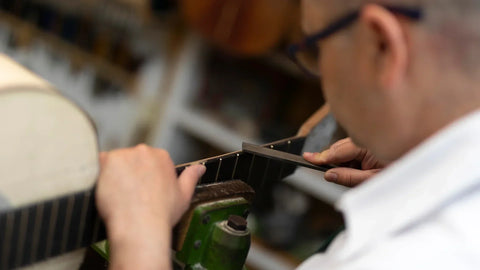
Why Refinishing Can Make or Break a Vintage Guitar’s Value
A fresh finish can make a vintage guitar look dazzling at first glance, but the story behind that shine is often more complicated than it seems. If you are weighing up a pre-owned Fender, Gibson, Martin or another collectible instrument, understanding how Refinishing can be the difference between buying with confidence and overpaying for a guitar whose history has been altered.
For collectors and players searching for rare and vintage guitars, every detail matters, from model, year and colour to original components, condition and any restoration work. Whether you are visiting our Sydney showroom to experience a carefully curated selection in person, or you are based elsewhere in Australia and looking for a trusted instrument to be shipped to you, this topic is essential. It helps you judge not just how a guitar looks today, but how its originality affects long-term desirability, resale value and collectability.
In simple terms, refinishing means stripping and reapplying the guitar’s original finish, often to repair wear, damage or an old repair. While that can improve appearance, it can also reduce value significantly on many vintage instruments. In this post, we will look at why refinishing matters, how it affects pricing, which details buyers should inspect, and when a refinished guitar may still be a smart purchase depending on rarity, brand and overall condition.
This is exactly the kind of nuance we deal with every day at Premier Guitars , where honest appraisals and a deep understanding of vintage instruments help buyers make informed decisions. For a broader look at the category, you can also explore our Vintage Guitars Australia page.
If you would like help assessing a specific guitar, or you are hunting for a particular brand, model or year, feel free to contact us, we are always happy to help you find the right instrument.
How Refinishing Affects the Value of Vintage Guitars

On a vintage instrument, the finish is more than just paint or lacquer, it is part of the guitar’s history. A refinished guitar has usually had its original finish removed and replaced, and that change can affect value in very different ways depending on the brand, model, year, colour, and overall condition. Think of it like restoring a classic car: a fresh respray may look beautiful, but it can also reduce the appeal for buyers who want the car exactly as it left the factory.
The key distinction is between original finish, light touch-ups, and a full refinish. Original finishes tend to be most prized because they show honest wear and preserve the instrument’s story. Light repairs, such as small touch-ups or overspray, may have a smaller impact, while a full refinishing often makes a guitar less valuable to serious collectors. This is especially true with Vintage Fender Stratocasters, where condition and originality heavily influence collector demand. In other words, the finish may change the price, but it does not necessarily change the soul of the instrument.
For buyers exploring Vintage Guitars in Australia, understanding refinishing helps you assess whether you are looking at a collector-grade piece, a player’s guitar, or something in between. Factors such as the guitar’s age, originality of parts, neck condition, hardware, and documentation all influence how much a refinish matters. A refinished 1950s goldtop, for example, may still be highly sought after if the rest of the instrument is exceptional, while a more common model may see a much steeper drop in value. The misconception to avoid is assuming refinished always means “bad”, it simply means you need to weigh appearance, authenticity, and market demand more carefully.
At Premier Guitars, we help you navigate those differences with honest appraisals and a clear eye for detail. Whether you are buying in our northern Sydney showroom or searching from elsewhere in Australia or overseas, we can help you understand how refinishing affects a guitar’s market position, playability, and long-term appeal. That way, you can make a confident decision based on the instrument’s true character, not just its finish.
Terms to Know When Assessing Vintage Guitar Refinishing
If you are weighing up a vintage guitar purchase, a few specialist terms can make a big difference to how you judge originality, condition, and value. Understanding these basics will help you read listings with more confidence and spot where refinishing may have changed the instrument’s appeal.
Refinish
A refinish is when the original paint or lacquer on a guitar is stripped, repaired, and replaced with a new finish. This may be done to improve appearance, but it usually means the instrument is no longer in its original cosmetic state.
Original finish
The original finish is the coating applied when the guitar left the factory. It is often highly valued by collectors because it supports authenticity, period-correct appearance, and stronger resale value.
All-original
An all-original guitar retains its factory parts, finish, and major components without significant replacement or alteration. In the vintage market, this status is often a major factor in desirability and price.
Provenance
Provenance refers to the documented history of an instrument, including previous owners, repairs, and notable sales. Strong provenance can help support a guitar’s authenticity and explain any refinishing or restoration work.
Restoration
Restoration is the broader process of bringing a guitar back to a playable or presentable condition, which may include refinishing, repair work, and replacement of worn parts. Unlike a simple clean-up, it can affect both originality and value in different ways.
Collector grade
Collector grade describes a guitar that is especially desirable to buyers because of its originality, condition, rarity, and historical importance. A refinished instrument may still be excellent, but it is often judged differently from a true collector-grade example.
Once you understand these terms, it becomes much easier to assess how refinishing affects price, desirability, and long-term value. That knowledge helps you make a more informed decision, whether you are buying in our Sydney showroom or searching for a specific vintage piece from further afield.
FAQs: Refinishing, Vintage Guitar Value and What Buyers Should Know
If you’re weighing up a refinished vintage guitar, it’s natural to have questions about originality, market value and long-term collectability. Below, we’ve answered some of the most common concerns to help you make a confident, informed decision.
Does refinishing always reduce a vintage guitar’s value?
In most cases, yes, refinishing will reduce a vintage guitar’s value because collectors usually place a premium on original finishes. The size of the drop depends on the brand, model, age, rarity and overall condition of the instrument.
How can I tell if a vintage guitar has been refinished?
Look closely for signs such as overspray, altered colour, inconsistent wear, filled grain, masking lines around hardware and a finish that looks too new for the instrument’s age. Changes to logos, binding, pickup cavities or neck stamps can also be clues. If you’re unsure, we recommend a professional appraisal, as subtle refinishing work can be difficult to spot without experience.
Is a refinished vintage guitar still worth buying?
Absolutely, it depends on what you want from the instrument. A refinished guitar may offer the feel, tone and playability of a great vintage piece at a lower price than an all-original example. For players who care more about the sound and experience than investment value, a refinished guitar can be an excellent choice.
Which matters more to buyers: originality or condition?
For collectors, originality usually matters more than cosmetic condition, especially on rare or historically important models. For working musicians, playability and stability may matter more than whether the finish is original. In practice, the best value often comes from finding the right balance between originality, condition and honest disclosure.
Can refinishing ever improve a guitar’s value?
In rare cases, refinishing may make a guitar more appealing if the original finish was badly damaged, poorly repaired or severely neglected. However, even then, it rarely increases the instrument’s value above an equivalent original example. The main exception is when the guitar is intended primarily as a player’s instrument, where a clean, well-executed refinish can make it more attractive on the market.
What should I ask before buying a refinished vintage guitar?
Ask who carried out the refinishing, when it was done, whether any original finish remains, and if there is documentation or photos showing the work. It’s also wise to ask whether any parts were replaced, whether the guitar has had structural repairs, and how the finish affects resale value. At Premier Guitars, we always encourage buyers to seek full disclosure so you know exactly what you’re purchasing.
How does refinishing affect resale value later on?
A refinished guitar will usually have a narrower pool of buyers, especially among collectors who prioritise originality. That can make resale slower and may limit the price you can achieve compared with an untouched example. If you’re considering a purchase with future resale in mind, understanding How Refinishing Impacts Vintage Guitar Value: What Buyers Need to Know can help you avoid surprises later.
Refinishing does not automatically make a vintage guitar a poor purchase, but it does change how the market values it. With the right guidance, you can decide whether a refinished instrument suits your goals, budget and playing style.
Making the Right Call on a Vintage Finish
When it comes to buying or selling an old instrument, Refinishing is simple: originality matters, but condition, rarity, and workmanship all play a part. A refinished guitar may still be a wonderful player, yet the work done to it can significantly affect collector interest and market value. Knowing how to read those signs helps you make a more confident, informed decision.
For buyers, this knowledge removes a lot of uncertainty. You can better judge whether a guitar is priced fairly, whether the restoration work suits your goals, and whether the instrument fits your collection or stage needs. For sellers, it helps you present the guitar honestly and position it in the right market. That is exactly why this topic sits naturally within the wider conversation at Premier Guitars around Vintage Guitars Australia understanding the details behind each instrument leads to smarter choices and better outcomes for collectors, buyers, and sellers alike. Visit our Vintage Guitars Australia page for more information.
At Premier Guitars, we take pride in helping musicians and collectors navigate these decisions with clarity and care. With honest appraisals, specialist knowledge, and a trusted showroom experience, we make it easier to buy and sell with confidence. If you would like tailored advice on a refinished vintage guitar, or you are unsure how a finish change may affect value, contact us and we will be happy to help.
Ultimately, the more you understand about refinishing, the better equipped you are to protect your investment and choose an instrument you will truly appreciate. Whether you are searching for a player-grade piece or a highly original collector’s guitar, the right guidance makes all the difference.