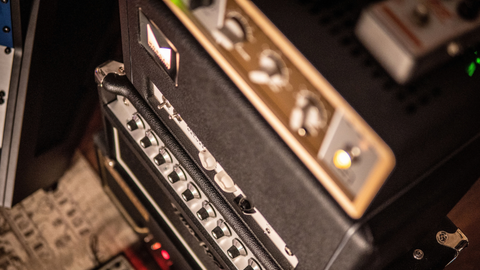
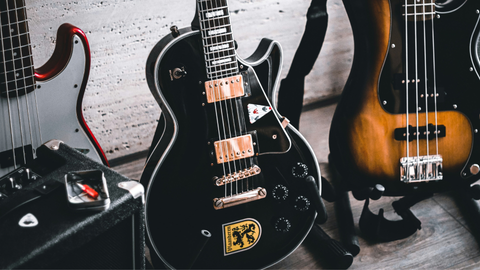
The right amp can complete a vintage guitar setup. Learn what collectors consider when pairing classic amplifiers with old instruments, from tonal match and era correctness to overall desirability and presentation.
Vintage acoustics can offer remarkable character, but age and condition need careful assessment. This article covers the key signs to review so you can balance tone, originality and playability before you buy.
A guitar’s backstory can add meaning and value. Learn how to research ownership history, paperwork and supporting evidence so you can better understand the instrument’s journey before making a purchase.
Serial numbers can be a useful starting point when checking a vintage Fender or Gibson. This guide explains what they reveal, where they fall short, and why they should always be considered alongside other details.
Replacement parts are common on older electrics, but they do affect value and desirability. Find out how to spot non-original components, what clues to check, and why transparency matters when buying vintage.
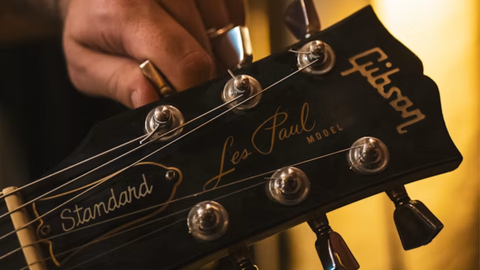
Original parts can make a major difference to a guitar’s collectability and price. This article looks at pickups, tuners and hardware, and explains how replacements may affect authenticity, tone and long-term value.
Not every used Les Paul becomes a collector’s piece. Explore the features that matter most to serious buyers, including condition, originality, rarity and historical significance, so you can make a more informed purchase.
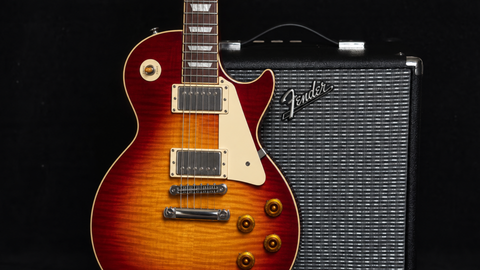
Vintage Les Paul finishes can significantly shape desirability and price. This guide explains why certain colours attract collectors, how originality affects value, and what to look for when comparing examples in the Australian market.