
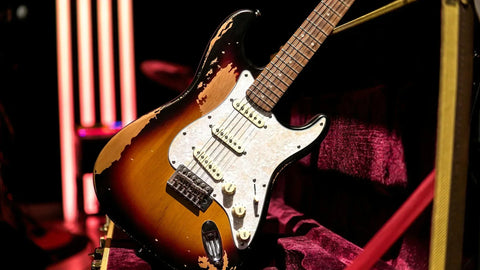
Why Vintage Fender Stratocasters Still Capture the Hearts of Collectors
Few guitars carry the same mix of history, style and sheer desirability as a vintage Strat. From the first chord to the finest detail in the finish, these instruments have a way of stopping collectors in their tracks, and that is exactly why Vintage Fender Stratocasters Remain One of the Most Sought-After Collectible Guitars continues to be such a compelling topic for anyone hunting for a truly special instrument.
For players, collectors and enthusiasts searching for rare and vintage guitars, the appeal often comes down to specifics: the right brand, model year, colour, pickups, neck profile, condition or original components. Whether you are based in Sydney and want to experience a carefully curated showroom in person, or you are looking to have a prized guitar shipped to your location elsewhere in Australia or overseas, understanding what makes a Stratocaster desirable can help you make a smarter, more confident decision.
This article explores what gives vintage Fender Stratocasters their lasting value, from their iconic design and tonal character to the factors that influence collectability in today’s market. It also connects to the broader world of collectible instruments, giving readers greater insight into why these guitars remain highly sought after by musicians and collectors alike. For more information on collectible instruments and rare finds, visit our Vintage Guitars Australia page.
At Premier Guitars , we work closely with musicians and collectors to match the right instrument with the right owner, offering honest appraisals, fair pricing and specialist knowledge you can trust. If you are actively searching for a vintage Strat or simply want guidance on what to look for, contact us and we’ll be happy to help you find the right fit.
Why Vintage Fender Stratocasters Remain Highly Sought-After by Collectors

Vintage Fender Stratocasters Remain One of the Most Sought-After Collectible Guitars is the story of how a single model became a benchmark for tone, style, and collectability. In simple terms, it refers to the enduring appeal of early and well-preserved Stratocasters from the golden eras of Fender production, guitars that combine iconic design, historic importance, and a sound that many players still chase today. For collectors, these instruments are more than old guitars; they are cultural artefacts with real musical value.
Several factors shape that appeal. Original parts, period-correct finishes, desirable years, and strong condition all matter, but so does the character of the instrument itself. A vintage Stratocaster can feel a bit like a classic sports car: the engineering is familiar, yet each example has its own personality. Details such as pickup windings, neck profile, body wood, colour, and even honest wear can influence both price and desirability. That is why a 1950s or 1960s Strat with the right provenance can attract serious attention from players and collectors alike.
This sits naturally within the broader world of Vintage Guitars Australia, where buyers are often looking for instruments that offer both musical inspiration and long-term collectable value. One common misconception is that every old Stratocaster is automatically valuable. In reality, originality, rarity, and condition are what separate a truly collectible example from a simply aged guitar. Refinished bodies, replaced electronics, or non-original hardware can all affect appeal, even if the guitar still plays beautifully. Understanding how Refinishing Impacts Vintage Guitar Value is especially important for collectors, as even high-quality refinishing work can significantly influence authenticity, desirability, and resale potential.
At Premier Guitars, we help you navigate those distinctions with honest appraisals, careful curation, and a personal approach. Whether you are searching for a specific year, colour, or specification, or you are ready to sell a prized instrument, we make it easier to find the right home for a vintage Fender Stratocaster that deserves to be appreciated, played, and preserved.
Terms to Know When Evaluating Vintage Fender Stratocasters
Before you buy, sell, or simply admire a vintage Strat, it helps to understand the language collectors and specialist dealers use. These terms will give you a stronger foundation for recognising value, originality, and the details that make each instrument special.
Originality
Originality refers to how much of the guitar remains as it left the factory, including parts such as the pickups, tuners, wiring, finish, and hardware. The more original a vintage Fender Stratocaster is, the more desirable it is usually considered by collectors.
Refinish
A refinish is when the guitar’s original paintwork has been stripped and replaced with a new finish. While it may improve appearance, it can reduce collector value because it changes an important part of the instrument’s history.
Pre-CBS
Pre-CBS describes Fender instruments made before the CBS acquisition in 1965. These guitars are often especially sought after because many players and collectors associate them with the classic Fender build quality and feel that helped define the Stratocaster’s reputation.
Slab Board
A slab board is a rosewood fingerboard style used on some early Stratocasters, particularly in the late 1950s and early 1960s. It is prized for both its vintage appeal and its connection to highly collectible early production years.
Case Candy
Case candy refers to the original accessories that came with the guitar, such as the tremolo arm, tags, paperwork, strap, or tools. These extras can help confirm authenticity and often add to the overall collectability of the instrument.
Provenance
Provenance is the documented history of a guitar, including previous owners, repairs, sales records, and any notable use. Strong provenance can make a vintage Stratocaster more appealing, especially if it has an interesting or well-documented story.
Player Grade
Player grade describes a vintage guitar that is still highly playable but shows significant wear, changes, or non-original parts. These instruments can be excellent for musicians who want the feel and sound of a vintage Stratocaster without the premium attached to a fully original example.
Understanding these terms helps you judge a vintage Fender Stratocaster with more confidence, whether you are searching for a specific year, finish, or level of originality. At Premier Guitars, we use this knowledge every day to help you find the right instrument for your collection, your playing, and your budget.
FAQs About Vintage Fender Stratocasters
If you’re exploring Vintage Fender Stratocasters, these FAQs cover the most common questions we hear from players and collectors. We’ve kept the answers practical, so you can better understand what makes these instruments so desirable and what to look for when buying or selling one.
What makes a vintage Fender Stratocaster so collectible?
Vintage Fender Stratocasters are collectible because they combine iconic design, strong historical significance, and a distinctive sound that many players still chase today. Early examples from the 1950s and 1960s are especially prized for their craftsmanship, original components, and the character that develops over decades of use. In many cases, rarity and provenance can make a particular guitar even more desirable.
How can I tell if a vintage Stratocaster is original?
Checking originality means looking closely at the neck date, body markings, pickups, hardware, solder joints, and finish details, then comparing them with known specifications for that era. Small changes over the years are common, so it helps to have an experienced eye assess the instrument rather than relying on appearance alone. At Premier Guitars, we always recommend a careful appraisal before you buy or sell.
Do modifications reduce the value of a vintage Fender Stratocaster?
Yes, modifications can affect value, especially if original parts have been replaced or the finish has been changed. That said, some tasteful period-correct repairs may be acceptable to certain buyers, depending on the guitar’s age and rarity. If you’re weighing up a sale, it’s worth understanding how much originality matters in the current market.
Which years of vintage Stratocasters are most sought after?
Collectors often focus on the early pre-CBS and CBS-era instruments, particularly models from the 1950s and early-to-mid 1960s. These guitars are admired for their feel, tone, and connection to Fender’s golden era, which is a big part of Why Vintage Fender Stratocasters Remain One of the Most Sought-After Collectible Guitars. Specific years can stand out for features such as neck profiles, pickups, and finishes, so each guitar should be judged on its own merits.
Are vintage Stratocasters still good to play, or are they mainly collector pieces?
Many vintage Stratocasters are excellent players, provided they’ve been properly maintained and set up. In fact, some musicians prefer them because they often have a lively, responsive feel that modern instruments can struggle to match. Whether you want a stage-ready guitar or a display piece, the right vintage Strat can do both.
How do I know if I’m paying a fair price for a vintage Stratocaster?
Fair pricing depends on originality, condition, rarity, finish, provenance, and current demand, so two similar-looking guitars can vary significantly in value. Comparing completed sales and speaking with a trusted specialist can help you avoid overpaying. If you’re selling, we can also help you understand where your instrument sits in the market and how to present it properly to serious buyers.
What should I consider before selling my vintage Fender Stratocaster?
Before selling, gather any paperwork, photographs, service history, and original accessories you may have, as these can support value and buyer confidence. It’s also wise to store the guitar safely and have it assessed by a knowledgeable dealer who understands the market for vintage instruments. At Premier Guitars, we offer a secure, professional process that helps you reach genuine buyers while treating your instrument with the care it deserves.
These FAQs should give you a clearer picture of why Vintage Fender Stratocasters Remain One of the Most Sought-After Collectible Guitars and what matters most when evaluating one. If you’d like expert guidance on buying or selling, we’re here to help with honest advice and a personal service you can trust.
Why Vintage Stratocasters Still Capture Collectors’ Attention
From their unmistakable tone and iconic design to their place in music history, vintage Fender Stratocasters continue to stand out for all the right reasons. In this post, we’ve explored why Vintage Fender Stratocasters Remain One of the Most Sought-After Collectible Guitars, and it comes down to a rare combination of craftsmanship, character, originality, and enduring cultural appeal. For players and collectors alike, these instruments offer far more than nostalgia; they represent a tangible connection to a golden era of guitar-making.
If you’re trying to understand what makes a Stratocaster truly collectible, this knowledge helps you look beyond the surface and better assess originality, condition, provenance, and the subtle details that influence long-term value. Whether you’re buying your first vintage piece, refining an existing collection, or considering the right time to sell, visit the Vintage Guitars Australia page from Premier Guitars to learn more about collectible instruments, rare finds, and the factors that continue to shape the vintage guitar market.
At Premier Guitars , we understand that every vintage instrument has its own story, and the right buyer will value that story as much as the guitar itself. Our experience, honest appraisals, and personalised approach help you make informed decisions with confidence. If you’d like guidance, a valuation, or simply want to talk through your options, please get in touch via our contact page. We’re here to help you find the right path forward.