
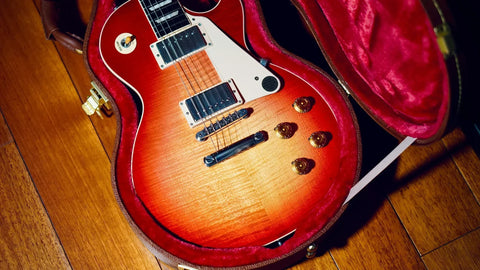
Why Some Vintage Guitars Mature So Beautifully
There’s a reason a well-loved vintage guitar can stop you in your tracks: sometimes the older it gets, the more alive it sounds. But that isn’t true of every instrument, and that’s exactly what makes Vintage Guitars Sound Better With Age, And Others Don’t such a fascinating topic for players and collectors alike. Whether you’re hunting for a rare pre-CBS Fender, a vintage Gibson, a specific year, finish, pickup set or condition grade, understanding what changes over time can help you make a far better buying decision.
At Premier Guitars , we see this question come up constantly from musicians, collectors and enthusiasts who want more than just a name on the headstock, they want the right instrument. If you’re based in Sydney, you may want to visit our showroom and experience our curated collection in person; if you’re elsewhere in Australia or overseas, we can still help you find and ship the right vintage piece with confidence. This article explains what people really mean when they talk about a guitar “opening up” with age, and why some instruments develop warmth, resonance and character while others simply become worn out.
In simple terms, Some Vintage Guitars Sound Better With Age, And Others Don’t comes down to a mix of materials, construction, maintenance and how the instrument has been played and stored over the years. We’ll look at the factors that matter most, from wood ageing and hardware wear to neck stability, electronics, and originality, so you can better judge whether a guitar’s history has enhanced its voice or compromised it. At Premier Guitars, we share this expertise to help guide your decisions, and you can visit our Vintage Guitars Australia page for more information.
Whether you’re searching for a sunburst Les Paul, a ’60s Stratocaster, a vintage amplifier or the right accessory to complete your setup, this guide will help you understand what to listen for, what to inspect and what to ask before you buy. At Premier Guitars, we pride ourselves on honest appraisals, fair pricing and hands-on expertise, so if you’d like help identifying a particular model or understanding whether an instrument is worth pursuing, contact us and we’ll be happy to assist.
What Makes Certain Vintage Guitars Sound Better as They Age

In the vintage market, age can be an advantage, but only when the instrument has been built well, cared for properly, and allowed to mature in the right conditions. Think of it like wine or timber: some examples develop depth and character, while others deteriorate if the materials, storage, or craftsmanship were never strong to begin with.
The main factors behind this are the guitar’s construction, woods, hardware, finish, and history of use. A well-made vintage instrument may have a more open, lively voice as the wood settles and the components loosen slightly over decades of playing. By contrast, a guitar that has been heavily repaired, stored badly, or made with inconsistent materials may lose stability, tone, or value. This is why collectors often look closely at brand, model, year, original parts, colour, and condition rather than assuming every old guitar is automatically better. Age is only one part of the story, and even accessories can matter significantly, with Original Guitar Cases Can Add Thousands to Vintage Instrument Values when they match the instrument’s era, condition, and provenance, reinforcing both authenticity and overall collectability.
At Premier Guitars, we help you separate myth from reality. Whether you’re searching for a specific make, era, or finish, or you’re looking to sell an instrument with real vintage appeal, we assess the details that genuinely affect tone, playability, and value. That means you can shop with confidence, knowing we understand why some vintage guitars improve with age and why others simply wear out.
Terms to Know When Exploring Why Some Vintage Guitars Sound Better With Age
If you’re comparing vintage guitars, a few technical terms can make a big difference to how you judge tone, value, and long-term character. Understanding these basics will help you make more confident choices, whether you’re buying in our Sydney showroom or looking for a rare instrument to be shipped to you.
Tonewood
Tonewood refers to the type of wood used in a guitar’s body, neck, and top, such as mahogany, maple, or spruce. Different woods contribute to the instrument’s weight, resonance, sustain, and overall voice.
Resonance
Resonance is the way a guitar vibrates and amplifies sound naturally when it is played. A highly resonant instrument often feels more alive under the fingers and can project a richer, more open tone.
Aging
Aging describes the gradual changes that happen to a guitar over time, including the drying of woods, settling of finishes, and wear to hardware and electronics. In the context of Why Some Vintage Guitars Sound Better With Age, And Others Don’t, aging can improve a guitar’s response but only if the original build quality and materials support it.
Neck Relief
Neck relief is the slight forward curve built into a guitar neck to allow the strings to vibrate cleanly. Too much or too little relief can affect playability, intonation, and even how a vintage guitar feels and sounds.
Pickups
Pickups are the magnetic or piezo components that convert string vibration into an electrical signal. On vintage electric guitars, original pickups, rewound units, or replacements can dramatically change the sound and are often central to a guitar’s character and value.
Finish Checking
Finish checking is the fine cracking that appears in a guitar’s lacquer or paint as it ages and expands or contracts with temperature changes. While often cosmetic, it can also be a sign of authentic ageing and can influence how collectors and players view the instrument.
Originality
Originality refers to how much of the guitar remains as it left the factory, including parts such as tuners, bridge, pickups, wiring, and finish. For many vintage buyers, originality is closely linked to value, historical interest, and the guitar’s ability to deliver its intended sound.
Knowing these terms gives you a stronger foundation for judging whether a vintage guitar has the ingredients to age beautifully or simply age differently. That insight helps you choose an instrument with confidence, whether you’re chasing a particular year, model, colour, or component detail.
FAQs About Why Some Vintage Guitars Improve With Age
If you’re wondering why one old guitar seems to open up and sing while another feels flat or fragile, you’re not alone. These FAQs cover the most common questions we hear from players and collectors about why some vintage guitars sound better with age, and others don’t.
What actually changes in a vintage guitar as it gets older?
Over time, the wood can dry out and stabilise, hardware may settle, and the finish can thin slightly, all of which can affect resonance and feel. In some guitars, those changes help the instrument respond more freely and produce a more open tone. In others, age can introduce wear, repairs, or structural issues that hold the guitar back rather than improve it.
Why do some vintage guitars sound better with age, and others don’t?
This usually comes down to the original build quality, the type of wood used, how the guitar was stored, and how it has been played and maintained. A well-made instrument that has been kept in stable conditions often benefits from decades of vibration and settling, while a poorly built or badly cared-for guitar may simply deteriorate.
Does regular playing really improve the tone of a vintage guitar?
Yes, in many cases frequent playing can help a guitar feel more responsive and lively, because the top, neck and components are being vibrated regularly. For example, an acoustic guitar that has been played consistently for years may develop a more open and balanced voice than one that has sat untouched in a cupboard. That said, playing cannot fix poor construction or serious damage.
Can storage conditions make a vintage guitar sound worse over time?
Absolutely. Excess humidity, dryness, heat, or rapid temperature changes can cause wood movement, finish checking, fret issues and even structural problems such as cracks or neck shifts. A guitar stored in a stable, climate-controlled environment is far more likely to age gracefully than one left in a damp shed or hot loft.
Are all old guitars better than new ones?
Not at all. Some vintage instruments have a magical character that modern guitars may not fully replicate, but plenty of newer guitars are beautifully made, reliable and sonically outstanding. The best choice depends on your ears, your playing style, and the individual instrument in front of you rather than age alone.
How can you tell whether a vintage guitar has aged well?
Look for a guitar that feels resonant, plays comfortably, and has had sensible maintenance rather than heavy restoration. Check for stable neck angle, healthy frets, clean electronics on electrics, and no major structural issues that affect tone or playability. At Premier Guitars, we always recommend assessing both the sound and the condition so you know whether the instrument’s age has added value or simply added wear.
Should you buy a vintage guitar for tone, investment, or both?
That depends on your priorities. If you want a great playing experience, focus on the instrument’s sound, feel and condition first; if you are also thinking about value, provenance, originality and market demand matter as well. We often help buyers find guitars that strike the right balance, so you can choose an instrument that inspires you now and makes sense for the future.
The answer to why some vintage guitars sound better with age, and others don’t, is rarely simple, but it is always worth understanding before you buy. If you’d like help assessing a particular instrument, we’re here to offer honest, expert guidance and a careful ear.
Final Thoughts on Vintage Tone and Timeless Character
Understanding Why Some Vintage Guitars Sound Better With Age, And Others Don’t comes down to a mix of craftsmanship, materials, storage, and how an instrument has been played over time. Some guitars open up beautifully, developing warmth, resonance, and a more expressive voice, while others may simply age without gaining the same musical character. That difference is what makes vintage instruments so fascinating and so personal.
For anyone exploring Vintage Guitars in Australia, this knowledge is invaluable. It helps you look beyond the story and the era, and focus on the details that really affect tone, condition, and long-term value. Whether you are buying, selling, or simply comparing instruments, understanding these factors gives you a clearer idea of what makes one guitar truly special and another less desirable.
At Premier Guitars, we see first-hand how every vintage instrument has its own history and personality. Our experience with collectors, musicians, and serious buyers means we can help you identify what matters most, whether that is tonal character, originality, or overall market appeal. If you would like expert guidance or are thinking about buying or selling a vintage guitar, Premier Guitars is here to help. For more information, visit our Vintage Guitars Australia page.
The more you learn about vintage guitars, the more confident you become in recognising real quality when you hear and see it. If you would like to discuss an instrument or get tailored advice, please contact us, we would be glad to help you find the right fit.